
The Motivation Behind Gambling
Understanding what drives individuals to gamble is pivotal in dissecting the psychology of casino patrons. Many gamblers are motivated by the thrill of potential winnings, often overlooking the statistical probabilities stacked against them. The anticipation that comes before a game, the joy of a possible win, or the need to escape from daily stressors can compel individuals to partake in gambling. This emotional rollercoaster can create a compelling reason for repeated visits to casinos, as the brain releases dopamine, enhancing feelings of pleasure and reward, especially when they explore the best betting sites canada to find new experiences. Gamblers may also experience a heightened sense of excitement, which can lead to a craving for that next adrenaline rush.
Additionally, social interactions play a significant role in gambling behavior. Many people see casinos as social hubs where they can enjoy the company of friends or meet new people. Gambling often embodies a communal experience, with shared moments of excitement and disappointment creating bonds among players. For some, the allure of socializing in an energetic environment is as enticing as the games themselves, leading them to engage more frequently with gambling activities. This social aspect can serve as both a motivator and a reinforcement mechanism, where the desire for social connection intertwines with the desire for monetary gain.
Another crucial motivation is the psychological need for control. Some gamblers believe they can influence outcomes with skill or strategy, even in games of chance. This illusion of control can lead to repeated participation, as players feel empowered by their decisions. Furthermore, the narrative of hitting the jackpot resonates strongly within popular culture, reinforcing the belief that anyone can win big, which keeps individuals coming back for more, despite the odds. This sense of control can be particularly appealing to those who may feel powerless in other areas of their lives, providing a false sense of agency that fuels their gambling behavior.
The Role of Cognitive Biases
Cognitive biases significantly influence gambler behavior, often causing individuals to make irrational decisions. One prevalent bias is the “gambler’s fallacy,” where players assume that previous outcomes affect future results. For instance, a roulette player might believe that because the ball hasn’t landed on red for a while, it is “due” to appear soon. This faulty reasoning can lead to increased bets and greater losses, as individuals chase their perceived patterns instead of understanding the randomness of the game. The gambler’s fallacy illustrates how cognitive distortions can create a dangerous mindset, encouraging players to gamble more than they originally intended.
The “illusion of control” is another cognitive bias affecting gambling. Players may feel they can control outcomes through their choices or strategies, leading to overconfidence. This can be seen in games that require some skill or decision-making, such as poker. Players often believe their abilities can significantly influence the game’s outcome, which may not always reflect reality, ultimately leading them to gamble more aggressively or frequently. Such biases can create a cycle where players continue to invest time and money in the hopes of leveraging their perceived skills, despite evidence suggesting that outcomes remain largely random.
Moreover, the concept of loss aversion—the tendency to prefer avoiding losses over acquiring equivalent gains—also plays a significant role in gambling psychology. When gamblers lose money, they often seek to recover their losses, leading to increased gambling behavior. This cycle can result in chasing losses, where individuals continue to wager despite negative outcomes, reinforcing detrimental gambling habits and potentially leading to addiction. The emotional pain associated with losses can be so intense that it overrides rational decision-making, causing players to engage in riskier bets in an attempt to regain their previous standing.
The Emotional Impact of Winning and Losing
The emotional highs and lows associated with gambling can have profound psychological effects on individuals. Winning can elicit feelings of euphoria, making players feel invincible, while significant losses can result in despair and disappointment. These extreme emotional states create a powerful feedback loop, where the joy of winning reinforces the behavior and perspective that gambling is a viable pathway to wealth. The fleeting nature of these wins can also lead to a constant search for the next big win, creating a cycle of dependency on gambling for emotional satisfaction.
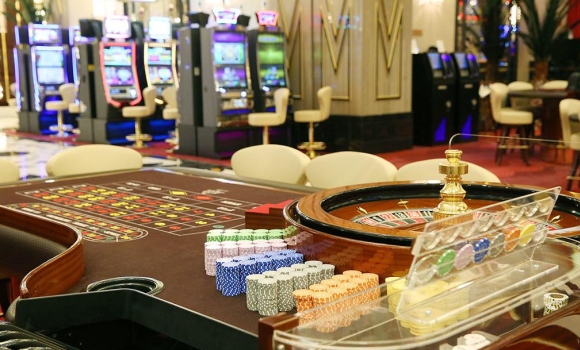
Casinos are designed to enhance these emotional experiences. From the sounds of slot machines to the celebratory atmosphere when a player wins, every aspect is optimized to heighten emotional responses. This design strategy can lead players to associate positive feelings with gambling, further solidifying their desire to return. However, this emotional manipulation can also blur the lines between entertainment and addiction, as the highs may compel individuals to ignore the potential risks involved. The carefully curated environment of a casino acts as a stimulus that exacerbates emotional reactions, making it harder for individuals to discern when their gambling behavior becomes problematic.
The dichotomy of winning and losing can also affect players’ mental health. While a significant win might boost a gambler’s self-esteem and overall happiness, a series of losses can bring about anxiety and depression. This fluctuation can lead to emotional instability, affecting not just gambling behavior but overall life satisfaction. Understanding these emotional impacts is essential for recognizing when gambling might cross into unhealthy territory, prompting the need for support or intervention. The psychological toll of gambling can manifest in various ways, from strained relationships to a decline in physical health, further complicating the gambler’s life.
The Influence of Environment and Design
The environment of a casino plays a crucial role in shaping the gambling experience. Elements such as lighting, sound, and layout are meticulously designed to create a particular atmosphere that encourages play. Bright lights and vibrant colors stimulate excitement, while the constant sounds of winning bells keep energy levels high. This sensory overload can create a heightened state of arousal that may impair decision-making, leading to prolonged gambling sessions. The psychological impact of these design choices can enhance the pleasure derived from gambling, making it a more immersive experience.

Casinos also employ strategic layout designs to control player flow and engagement. For instance, games with the highest payouts or most excitement are often centrally located to draw in players. There are few clocks or windows, preventing patrons from being aware of the time they spend gambling. This design strategy effectively immerses individuals in the experience, making it easier for them to lose track of time and money. The lack of external cues can create a disorienting effect, allowing players to become fully absorbed in their gambling experience without considering the consequences.
Moreover, the use of compulsion tactics, such as loyalty programs or free incentives, can enhance the desire to continue gambling. These programs make players feel valued and encourage them to return in hopes of earning rewards. This combination of environmental influences and psychological manipulation can create an environment that fosters compulsive gambling behavior, demonstrating how casinos leverage psychology to enhance their profits. The strategic use of rewards and incentives keeps players engaged, often leading them to spend more than they initially intended, further entrenching them in the gambling cycle.
The Psychological Support for Gamblers
Understanding gambling psychology also opens the door for support and recovery strategies for individuals affected by gambling addiction. Through awareness and education, players can be equipped with the tools to recognize unhealthy behaviors and seek help when needed. Support groups and counseling can provide a safe space for individuals to share their experiences and learn from others, fostering a sense of community that encourages positive change. These supportive environments can be crucial for individuals looking to break free from the grips of gambling addiction.
Therapeutic interventions, like cognitive behavioral therapy (CBT), have shown effectiveness in helping gamblers combat irrational beliefs and cognitive biases. CBT focuses on changing harmful thought patterns and developing healthier coping mechanisms that support long-term recovery. Such therapy empowers individuals to regain control over their gambling habits and rebuild their lives outside of the casino environment. By addressing the underlying psychological factors contributing to gambling behavior, individuals can learn to navigate their emotions and make more rational decisions regarding gambling.
Furthermore, online resources and helplines offer anonymity and accessibility for those seeking help. With the rise of online gambling, it is essential to address the potential for addiction in digital spaces. Many organizations provide virtual support that allows individuals to confront their gambling issues without the stigma they may face in a physical setting. This accessibility can be a crucial factor in helping those affected by gambling find the assistance they need to overcome their challenges. The proliferation of online support networks enables individuals to access help more conveniently, promoting recovery in an environment where they feel safe and understood.